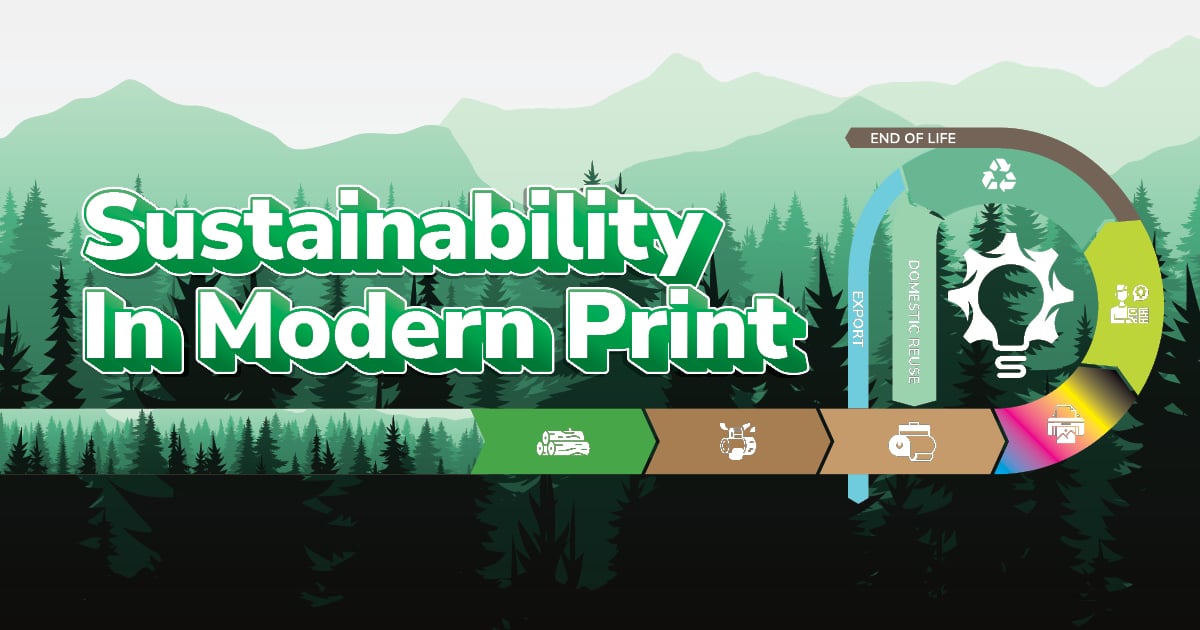
Print often gets labeled as wasteful, outdated, or at odds with sustainability goals. That idea hasn’t kept up with how the printing industry actually works today. Over the last 2 decades, printers have made meaningful changes in how materials are sourced, how jobs are produced, and how waste is reduced.
The instinct for years has been to swap print for digital, with the assumption that anything on a screen must be better for the planet. Yet somehow, print refuses to disappear, popping up everywhere from packaging and signage to direct mail, displays, and all the things that still need to exist in the real world.
Today, sustainable printing is less about eliminating print altogether and more about making informed choices, improving efficiency, and working with partners who prioritize responsible practices from start to finish.
Paper Sourcing and Materials
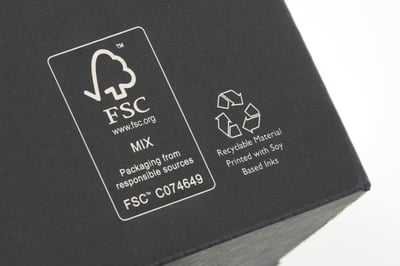 Sustainable printing begins long before ink hits paper. One of the biggest opportunities for impact is material selection. There’s a lot to consider:
- FSC® and PEFC™ certified paper ensures “new” paper comes from responsibly managed forests
- Recycled-content papers (post-consumer and post-industrial)
- Alternative substrates (tree-free, bamboo, cotton, agricultural waste papers)
- Lighter-weight papers engineered for durability (less material, same performance)
- Using correctly sized materials to reduce offcuts and trim waste
Cleaner Inks, Smarter Finishes
Ink technology has come a long way. Today’s eco-conscious printing relies on:
- Soy-based and vegetable-based inks
- Low-VOC (volatile organic compounds) and water-based inks
- UV and LED-UV curing (less energy, fewer emissions, faster drying)
- Safer coatings and laminates (aqueous coatings vs. solvent-based)
- Ink optimization and color management to reduce over-inking
Efficient Production = Less Waste
Sustainability isn’t just about materials, it’s also about process.
Modern, energy-efficient equipment and streamlined workflows help minimize waste at every stage. That includes:
- Digital proofing to reduce physical samples
- Print-on-demand strategies that prevent overproduction
- Automated workflows that reduce errors and costly reprints
- Efficient imposition and gang-run printing to maximize material usage
Less waste. Fewer reruns. Better outcomes.
Energy-Conscious Facilities & Operations
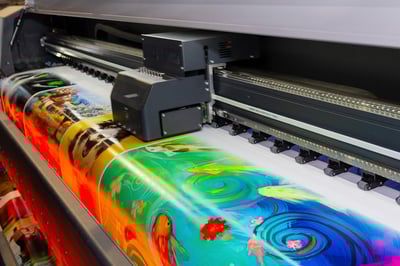 Behind every sustainable print job is a facility designed to operate efficiently. From energy-efficient presses and LED-UV curing to smart lighting and climate control, modern print operations can significantly reduce energy consumption.
These behind-the-scenes investments matter, and they directly impact your brand’s footprint.
Smarter Packaging, Shipping & Fulfillment
Sustainability doesn’t stop at the press. Packaging and logistics play a major role in environmental impact.
Symphonix helps brands reduce waste through:
- Right-sized, recyclable packaging
- Reduced plastic usage
- Consolidated shipping and optimized distribution
- Regional production strategies to cut transportation emissions
When fulfillment is planned thoughtfully, sustainability and efficiency go hand in hand.

“Printing destroys forests.”
REALITY
Forests used for paper are managed and replanted.
THE DETAILS
-
U.S. forest area has remained stable for 100+ years
-
Tree growth in the U.S. exceeds harvest by ~30–40% annually
-
67% of U.S. forestland is sustainably managed for regrowth
Source: USDA Forest Service

“Printing inks are toxic and pollutive.”
REALITY
Modern inks are much cleaner and more efficient.
THE DETAILS
- Up to 30–40% fewer VOC emissions with soy-based and vegetable-based inks
- Up to 50% less energy used with UV / LED-UV ink curing compared to older drying methods
Source: EPA / SGP

“Print is inherently wasteful.”
REALITY
Waste comes from overproduction, rather than print itself.
THE DETAILS
- Print-on-demand and digital workflows have significantly reduced overruns and discarded inventory
- Modern presses use less ink, energy, and water per piece than 20–30 years ago
Source: Printing Industries of America
Sustainability Is a Partnership
At Symphonix, we believe smarter print leads to stronger brands, and a more sustainable future. With our knowledgeable print partners we help brands make informed decisions about cost and environmental goals while maintaining brand standards.

Print with purpose.
Connect with a print expert today.
Eco-Friendly Printing: Frequently Asked Questions
 ·
·